

Picture Credit: https://www.footyheadlines.com
The new football season is upon us! For fans, it’s the time of year where they shell out on their team’s new kits and rep their team’s new look despite not being able to attend games till at least October. However, some fans may miss out on being able to sport their new looks as they are unable to afford new kits. The price of football shirts has increased over the years as manufacturers are using more sophisticated fabric with anti-sweat technology. For players, this is essential for maintaining peak performance in intense games although fans may have other needs.
Authentic and replica kits
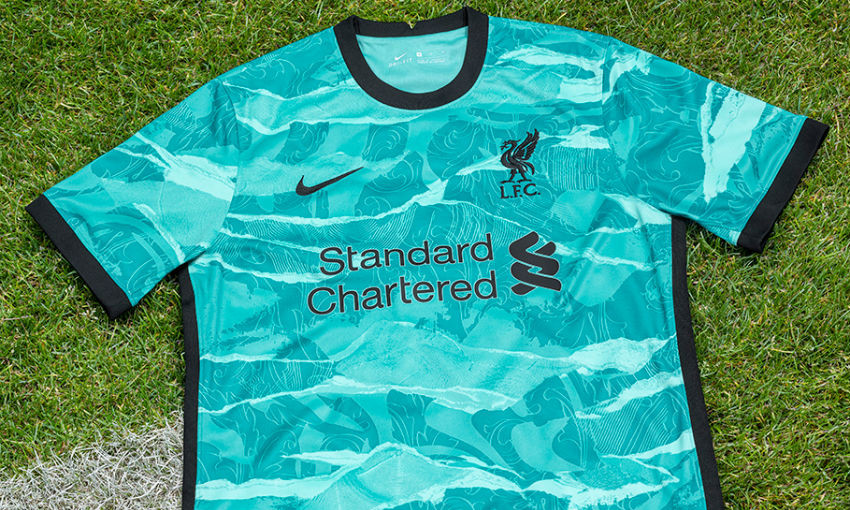
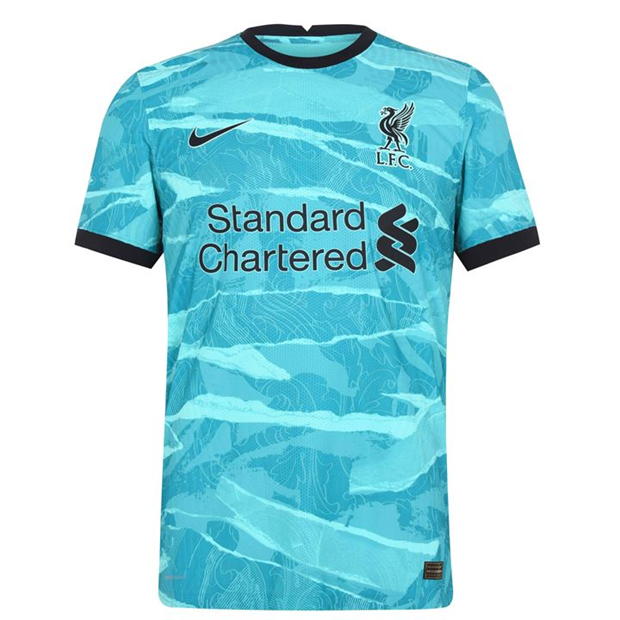
For a while now, manufacturers are producing two versions of each kit. An authentic is the same as what is worn by players during a game and has more sophisticated technology to maximise performance such as more flexible and a slimmer fit. Fans who have more disposable income and an athletic lifestyle are more likely to purchase an authentic kit as it fulfils their lifestyle needs.
On the other hand, the majority of fans would prefer a cheaper replica kit which is designed for comfort. Usually, there are no visible differences between the 2 although there are exceptions. For example, teams that use Nike kits may notice differences, the authentic kit features ironed on badges, prominent ventilation holes and a streamlined design whereas the replica features embroidered badges for longevity.
Factors affecting kit prices
Authentic kits are usually priced at around £100 whereas replica shirts. Burnley had the cheapest replica kit in 2019/20 at £45 whereas the new Liverpool Nike replica kits are the most expensive at just under £70. The price of football kits varies through many factors such as brand names, demand, team success etc. Using the Liverpool example, there are many cases for charging extra such as brand equity of both Nike and the club as well as success on the pitch. However, Liverpool is a working-class city and although their new kits will be high demand globally, most fans who live in the city may not be able to afford a kit that is going to be replaced in less than 12 months which leads us on to our next discussion.
Social issues caused by kit prices
As manufacturers are striving to take advantage of demand for new kits by charging high prices. It can cause a myriad of social issues for fans who have less disposable income. Firstly, it can cause confidence issues as those who are unable to afford the newest kit can feel inferior to their mates and feel out of place in the fanbase. However, this can have more of an effect on children who are experiencing peer pressure and need to have the newest kit to be accepted by their peers.
The Liverpool Nike example compounds the issue as there are visible differences between the authentic and replica versions of each kit including children’s versions. Even if parents can get their children a replica kit, they can still be made to feel inferior by peers who have the authentic kit which can affect their self-esteem, especially at a stage when peer pressure is at its peak.
Final thoughts
Manufactures will always treat kits as assets because of demand so would want to maximise profit streams to meet the costs of sponsoring a football club. Household brands will always demand high prices of kits because of innovative sweatproof technology that is in kits, furthermore, kits can also hold emotional value such as affiliation with iconic moments and triumphs.
However, I do think there should be no visible differences between authentic and replica kits because as fans, we want to represent the same kits our heroes wear. Also, with the new Nike Liverpool kits, I can understand that the replica version has embroidered badges to ensure longevity especially as kits go through hundreds of wash cycles, however, the player version is ironed on for performance reasons which can create an inferiority complex for fans as they forced into buying a more affordable kit that has no similarities to what the players wear.
However, with some smart shopping strategies and a bit of patience, you can get a lower price, for example, you could hold out on a new kit until after Christmas as prices are at their highest at the start of the season and it can be worth holding out for sales and/or end of season clearances. Some retailers may also offer discount codes.
Overall, I understand the reasons for manufacturers charging higher prices to fulfil demand but fans shouldn’t be pressured into buying a more expensive version of a kit because of differences with the replica kit. More importantly, there needs a cap on the price of children kits excluding the cost of names, sleeve badges and so on without any differences from player kits other than size so they’re not subjected to grief from peers.
Do you think football shirts are too expensive? Let me know your thoughts in the comments!

 The Real Talk blog