
Hi guys, it’s been a while and hopefully, everyone is staying safe. A Netflix show that has grabbed my interest during lockdown has been, “Inside the world’s toughest prisons.” It is presented by journalist Raphael Rowe since series 2 who gives us a fly on the wall experience of life behind bars abroad. Raphael is no stranger to these environments, as he was sentenced for 12 years for a crime he didn’t commit and he goes behind the scenes of how prison systems abroad operate and the stories of prisoners’ perspectives. What I like most about the series is that every episode is timeless and enables flexible viewing so you can watch episodes in whichever order you want. I will now discuss four moments that stood out for me.
Norway’s communal approach to rehabilitation
In series 3, Raphael visited Norway’s Halden prison. Opened in 2010, they have one of the lowest re-offending rates and this becomes obvious when Raphael sets foot inside. He is greeted by a handshake by a guard and is taken to his cell which had me in awe of the facilities and cleanliness. It is way better than some university halls and hotels I’ve stayed in! The guards even mix with prisoners as friends which is a far cry from your stereotypical prison which shows their commitment to rehabilitation and giving prisoners a sense of belonging in getting their lives back on track. Better still, prisoners have job opportunities that many can only dream of, including a music suite and a workshop that is on a par with some university campuses. The prison cost an eye-watering $252M to build and has been subject to criticism for being too tolerant. However, the opportunities on offer and the friendly environment gives prisoners a chance many can only dream of to turn their lives around and improve their career prospects.
Paraguay’s chasm lifestyles
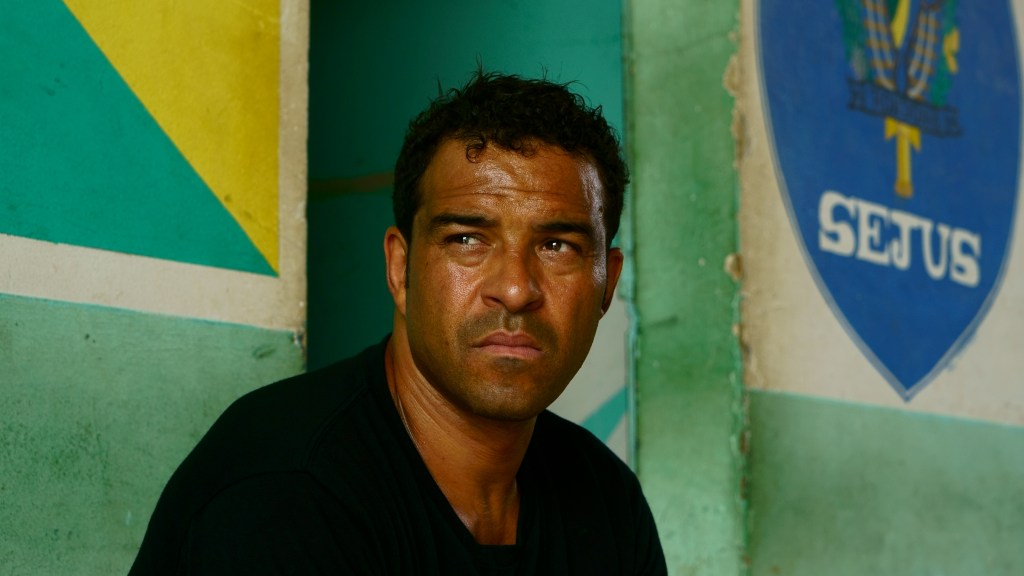
Raphael visited Paraguay’s Tacambu prison, one of the most dangerous on earth. The disparity of living is huge as disputes of little things can be deadly, some inmates live in an open-air section exposed to the elements and end up rummaging through trash to find items to sell, whereas, those who are fortunate enough to stay inside a cell would need to attend church to enjoy their benefits. However, this episode does show the prison’s more spiritual and entrepreneurial side where, the prison has its marketplace including a barbershop, restaurants and an I.T technician. Raphael is also introduced to an inmate nicknamed “The Panther”, who is a professional boxer preparing for a South American Championship fight inside the prison. The fight was arranged by the prison director who sees him as a role model and a sign of hope for others, in that they can still turn their lives around and get their career back on track.
Belize’s religious approach to rehabilitation
In series 2, Raphael visited Belize central prison. The prison’s Christianity orientated approach to rehabilitation is due to a firm stance by the prison regime as the previous was unable to feed inmates. The majority of inmates have been on remand for many years and offers valuable opportunity including, working on the prison farm as well as metalwork and carpentry. However, the prison’s uses religion as it’s the core method for rehabilitation with a PA system playing multiple sermons and songs. The prison tends to reward inmates that express a belief in God and Christianity and a Pastor runs a rehab program in which, prisoners are expected to confess their crimes and express loyalty to Christianity. Although the regime has its sceptics, the re-offending rate had decreased from 73% to 23% and Raphael admits they’re doing something right despite his reservations.
Lesotho’s alarming culture of sexual violence
In the final episode of series 4, Raphael visited Lesotho’s Maseru central prison. This was a very dark episode as the majority of inmates are sex offenders and at least a quarter of the population has been infected with HIV. Living conditions are extremely cramped and upon arrival, Raphael is understandably nervous and was threatened by his cellmates although they later played it down as a joke. He learns that sexual violence towards women is a deeply rooted problem despite new laws being introduced in 2003. The prison is severely underfunded with no communal areas or running water and soap is rationed which means that inmates have to dance on their dirty laundry to wash them. One of the most shocking stories to emerge from this episode was, from a man on remand who killed his children after having visions from drinking medicine. All in all, it gave a glimpse into the troubling and disturbing life inside Lesotho and Maseru central prison.
Watch here👉🏼 https://www.netflix.com/gb/title/80116922

 The Real Talk blog